

Global Drinking Water Treatment Market Trends in 2026
PFAS, Microplastics, and the Engineering Shift Behind Modern RO & Hydrogen Systems
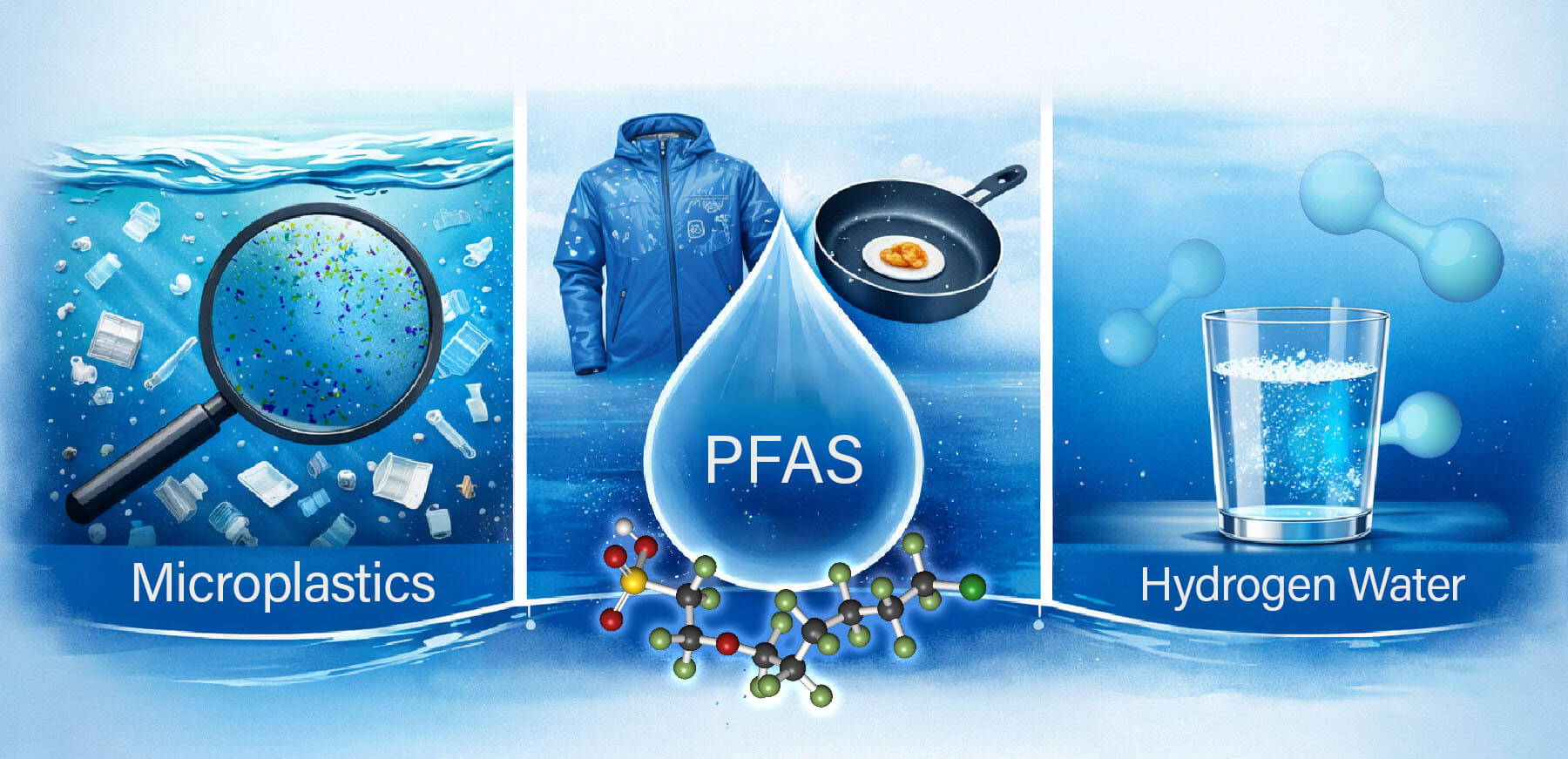
In many parts of the world, 2026 is shaping up to be a quiet turning point for the drinking water industry. The shift is not driven by a single regulation or a single breakthrough technology. It comes from a gradual alignment of science, public awareness, and policy that is redefining what households expect from water systems.
For distributors and OEM partners, the change is practical. Systems once marketed as premium are becoming baseline expectations. Filtration is no longer only about taste improvement. It is increasingly about measurable contaminant control, long-term reliability, and documented performance.
Three developments are converging at the same time:
- Tightening PFAS regulation
- Formal measurement of microplastics
- Rapid growth in hydrogen water systems
Together, they are reshaping the engineering priorities of point-of-use (POU) equipment.
Why PFAS Regulation Is Reshaping System Requirements
PFAS, often called “forever chemicals,” include thousands of synthetic compounds engineered to resist heat, oil, and water. Those same properties make them persistent once released into the environment. Decades of industrial use have resulted in widespread contamination of soil and water sources.
Health research has associated certain PFAS compounds, particularly PFOA and PFOS, with immune disruption and elevated long-term disease risk. In 2023, the World Health Organization classified PFOA as carcinogenic to humans. That classification reinforced a regulatory direction that was already underway.
The European Union's Drinking Water Directive requires PFAS monitoring beginning in 2026. The United States has finalized enforceable national standards for multiple compounds. Once contaminants enter regulatory language, they quickly become part of consumer decision-making.
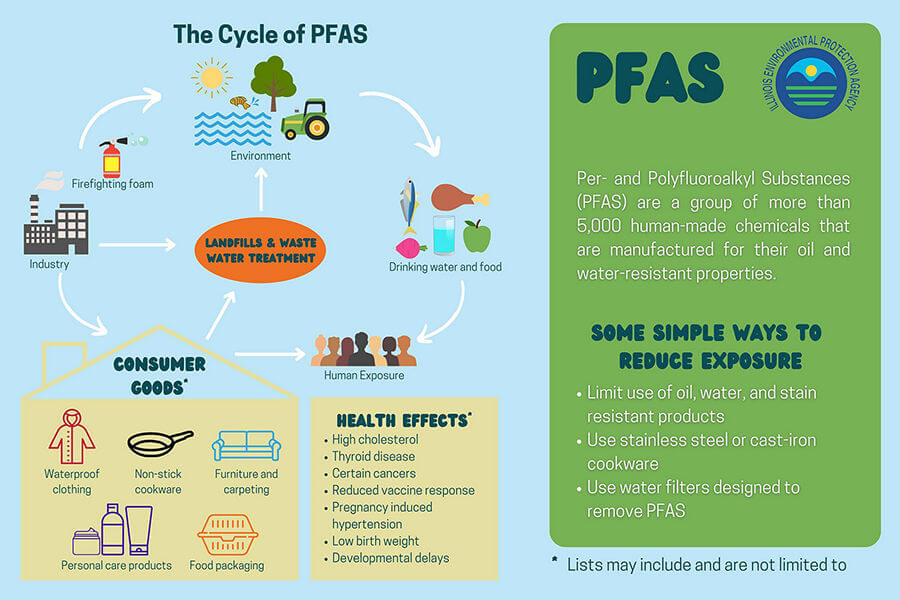
Picture source: Illinois EPA FB
What Current Filtration Evidence Suggests
Across engineering studies and field testing, reverse osmosis remains the most consistent household barrier against a broad range of PFAS compounds. Carbon adsorption is effective for many long-chain PFAS, but shorter-chain variants are more difficult to control without membrane separation.
For that reason, PFAS-ready systems are increasingly designed as layered architectures:
- high-grade carbon adsorption
- high-rejection RO membranes
- monitoring logic that manages filter life and breakthrough risk
This represents an architectural shift rather than a simple component upgrade.
Microplastics Are Moving From Awareness to Measurement
Microplastics were once treated primarily as an environmental topic. That is changing. The European Commission has adopted an official methodology for measuring microplastics in drinking water and placed them on a regulatory watch list. Measurement tends to precede regulation, and manufacturers are preparing accordingly.
From an engineering perspective, microplastics create a particle management challenge across a wide size spectrum. Effective capture requires membrane barriers combined with depth filtration that can tolerate fluctuating real-world water conditions.
RO membranes function as an almost absolute physical barrier for particles in the microplastic range. Long-term performance, however, depends heavily on pretreatment stability. Systems optimized only for laboratory efficiency often lose effectiveness under variable household supply conditions.
For OEM partners, field stability is part of product credibility.
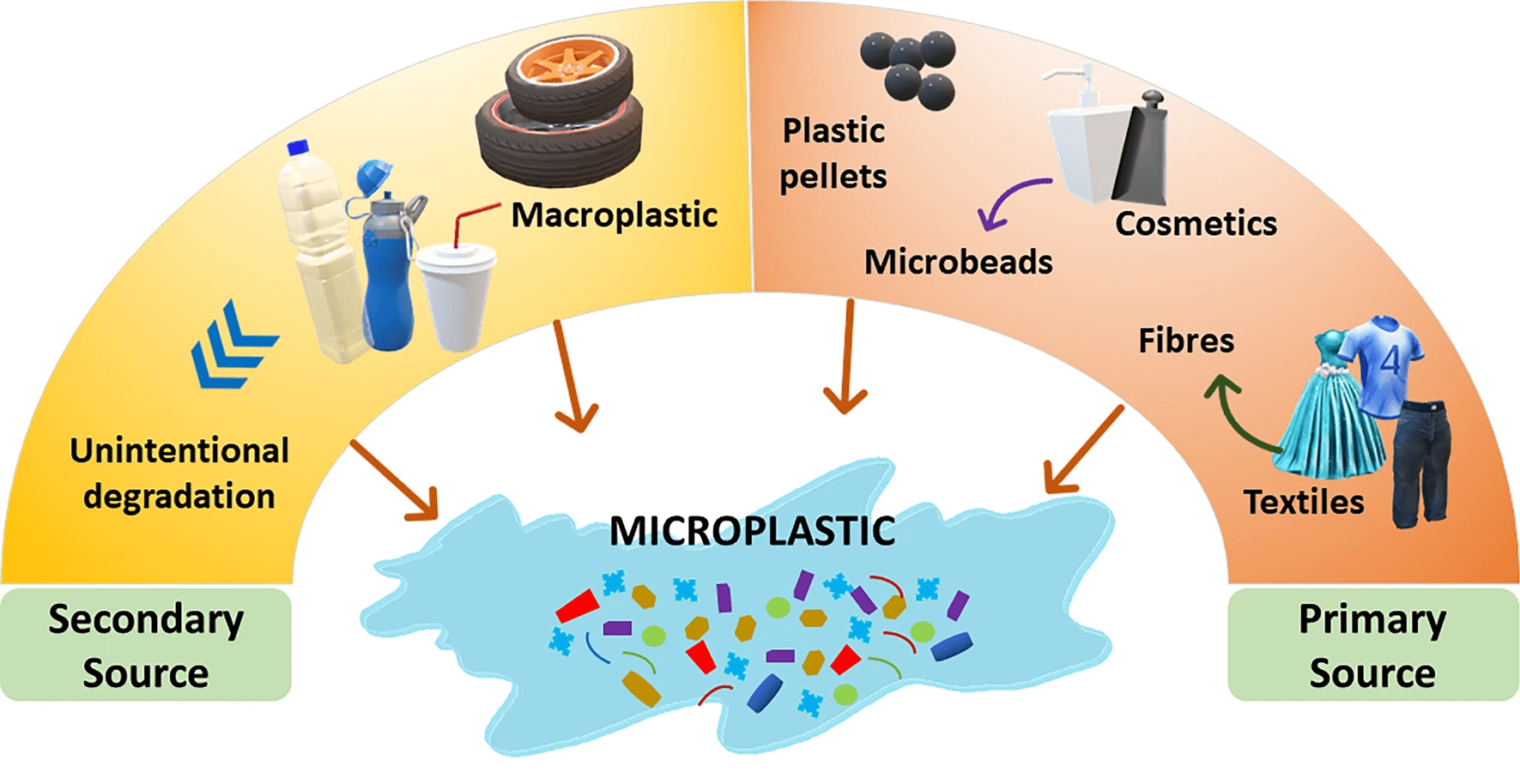
Picture source: Springer Link
Hydrogen Water Systems and the Hidden Role of Pretreatment
Hydrogen water machines are expanding rapidly in wellness and premium appliance markets. Regardless of how brands position health narratives, the engineering constraint is straightforward: electrolysis technology is sensitive to feedwater chemistry.
Without proper pretreatment:
- mineral scale shortens electrode life
- chlorine damages internal components
- unstable conductivity reduces output consistency
Many early hydrogen products struggled not because hydrogen technology failed, but because filtration was treated as secondary. Manufacturers who approach hydrogen generation as part of a filtration ecosystem tend to achieve more durable performance.
In practice, that often means integrating RO or advanced carbon pretreatment as a structural element of the system rather than an optional accessory.
What This Means for Distributors and OEM Partners
For distributors, the 2026 landscape suggests a predictable upgrade cycle. Systems capable of addressing PFAS and microplastics are increasingly viewed as future-ready infrastructure. Customers are buying assurance that their investment will remain relevant as standards evolve.
Hydrogen categories introduce a premium tier. When supported by credible filtration architecture, they can sustain higher margins. When unsupported, they risk becoming short-lived trend devices. The difference is usually engineering discipline rather than marketing.
OEM strategy is shifting toward modular platforms:
- shared filtration cores across product families
- certification pathways considered early in design
- private labeling flexibility
- upgrade options without complete redesign
This approach reduces risk for both manufacturers and brand partners.
Engineering Case Example: Integrating Hydrogen Into an RO Platform
One practical challenge is combining hydrogen generation with high-performance RO without sacrificing reliability. The engineering question is not only about hydrogen output. It is how to protect electrolysis components while maintaining stable filtration under variable household water conditions.
An integrated approach embeds hydrogen modules directly within an RO architecture that already includes advanced carbon pretreatment and membrane protection logic.
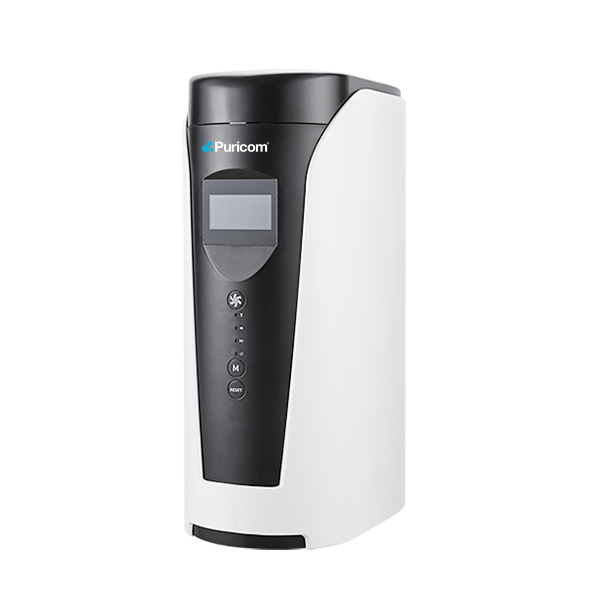
Puricom's CDA-DH2 RO Hydrogen Rich Water Ionizer was developed around this concept. The system focuses on electrode longevity, stable hydrogen concentration, and simplified maintenance. Hydrogen production is treated as an extension of a high-capacity RO platform rather than a separate appliance.
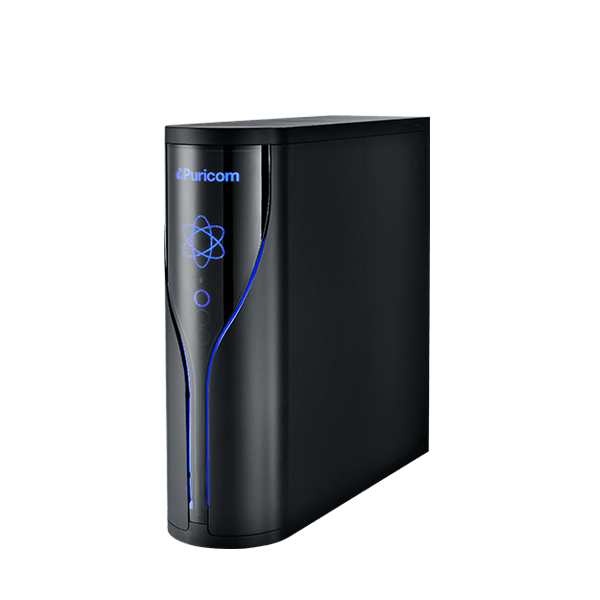
For users who require standalone hydrogen generation, Puricom's CIH-H2 Molecular Hydrogen Generator represents a different engineering path. Instead of merging functions into one chassis, it prioritizes rapid hydrogen delivery and automated cell protection. The design emphasizes durability and consistent output under daily use conditions.
These two approaches illustrate a broader industry direction. Hydrogen technology performs best when its relationship with filtration is engineered deliberately, not added as an afterthought.
Designing for the Next Regulatory Cycle
From a manufacturing perspective, the central challenge is no longer removing a single contaminant efficiently. The real question is how to design systems that remain credible as new contaminants enter public discussion.
Future-oriented POU platforms are trending toward:
- higher contaminant rejection ceilings
- stable flow across varying water qualities
- intelligent monitoring and maintenance visibility
- modular upgrade pathways
- predictable lifecycle costs
RO technology is increasingly treated as household infrastructure rather than optional equipment.
Puricom's development direction follows this trajectory. The emphasis is on scalable platforms that distributors can adapt to regional standards without restarting engineering programs each time regulations shift. Continuity becomes a commercial advantage when compliance timelines tighten.
Looking Beyond 2026
PFAS limits, microplastic measurement, and hydrogen system growth are early signals of a broader transition toward data-driven water treatment. Buyers expect transparency, performance documentation, and engineering claims that withstand scrutiny.
Manufacturers who treat filtration as a commodity may struggle to keep pace with regulatory complexity. Those who treat it as a long-term engineering platform are more likely to define the next phase of the industry.
For distributors and OEM partners, the strategic question is not which product sells fastest this year. It is which platform remains credible five years from now.
Reference FAQ
Q1: Do RO systems reduce PFAS?
A: Reverse osmosis membranes are currently the most dependable household barrier against a wide range of PFAS compounds, although performance depends on membrane quality and maintenance.
Q2: Can microplastics be filtered from tap water?
A: Membrane filtration technologies such as RO, nanofiltration, and ultrafiltration can capture microplastic particles across most measurable size ranges.
Q3: Why does a hydrogen water machine require filtration?
A: Electrolysis systems require stable feedwater. Filtration protects internal components, improves consistency, and extends operational life.
Q4: Are new regulations affecting home water systems?
A: Yes. PFAS standards and microplastic monitoring frameworks are influencing how manufacturers design next-generation household filtration platforms.